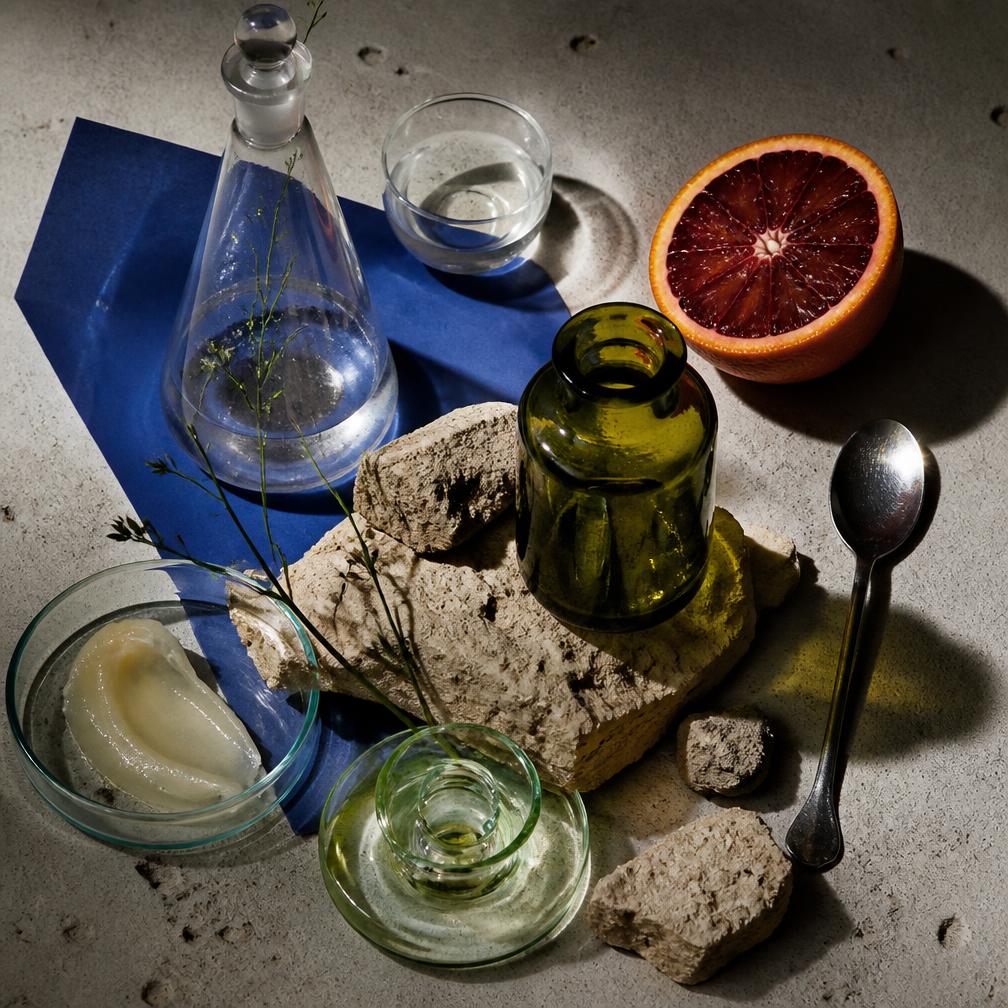
BEAUTY BROKE OUR SKIN. THEN SOLD US THE CREAM TO FIX IT.The deep dive

Beauty / Business

BEAUTY BROKE OUR SKIN. THEN SOLD US THE CREAM TO FIX IT.

Skincare taught us to optimise our faces, then built an entire recovery category for the moment our skin asked us to stop.

Words — WT Editorial Team10 min readEssay / Research-informed

Explore WellnessTactics

The sections

Worth your attention

Places / Products / Ideas

New from the desk

Freshly published

Beauty / Culture

WHEN DID EVERYONE'S SKIN BARRIER BREAK?

The skin barrier is real. So is skincare irritation. The stranger question is how an entire generation appeared to discover both at the same time.

WT Editorial Team8 min readResearch-informed

Psychology / AI

Since When Did AI Become the Oracle of Our Lives?

We started by asking AI how long to boil an egg. Now we arrive with screenshots, secrets, attachment styles and questions we are embarrassed to ask people who know us.

WT Editorial Team10 min readEmerging / Research-informed

Culture / Wellness

When Did Wellness Become a Performance?

We started measuring sleep, steps, recovery and routines. Somewhere along the way, taking care of ourselves also became something other people could see us being good at.

WT Editorial Team10 min readEssay / Research-informed

Movement / Culture

RUN CLUBS ARE THE NEW NIGHTCLUBS. APPARENTLY WE'RE FLIRTING AT 7AM NOW.

The nightclub gave us darkness, anonymity and bad decisions. The run club gives us daylight, Strava and someone checking our kilometre splits afterwards.

WT Editorial Team8 min readCulture / Reported

Psychology / Relationships

Did Therapy Make Us Better at Relationships, or Just Better at Explaining Why We Left?

Therapy gave us useful language for boundaries, attachment and patterns. The internet may also have taught us how to use that language to make complicated relationships sound very simple.

WT Editorial Team4 min readEssay / Psychology

Culture / AI

WE USED TO ASK SIRI ABOUT THE WEATHER. NOW AI KNOWS OUR ATTACHMENT STYLE.

Voice assistants were useful because they were impersonal. Conversational AI became useful precisely because it could feel personal.

WT Editorial Team4 min readCommentary / Research-informed

WellnessTactics asks / 007

What does living well actually mean?

“Not turning your body into a permanent project. Health should create more room for living, not become the whole of your life.”
— The WellnessTactics interview
Correspondence

One good thing,
every Friday.

The week’s most useful research, one considered recommendation, and the things genuinely worth your attention.